What to wear and carry

A Tokyo year asks for four wardrobes: mesh for the wet heat, a brim for the rain, layers for the dry cold, and lights for the evening runs after work.

Summer

Summer

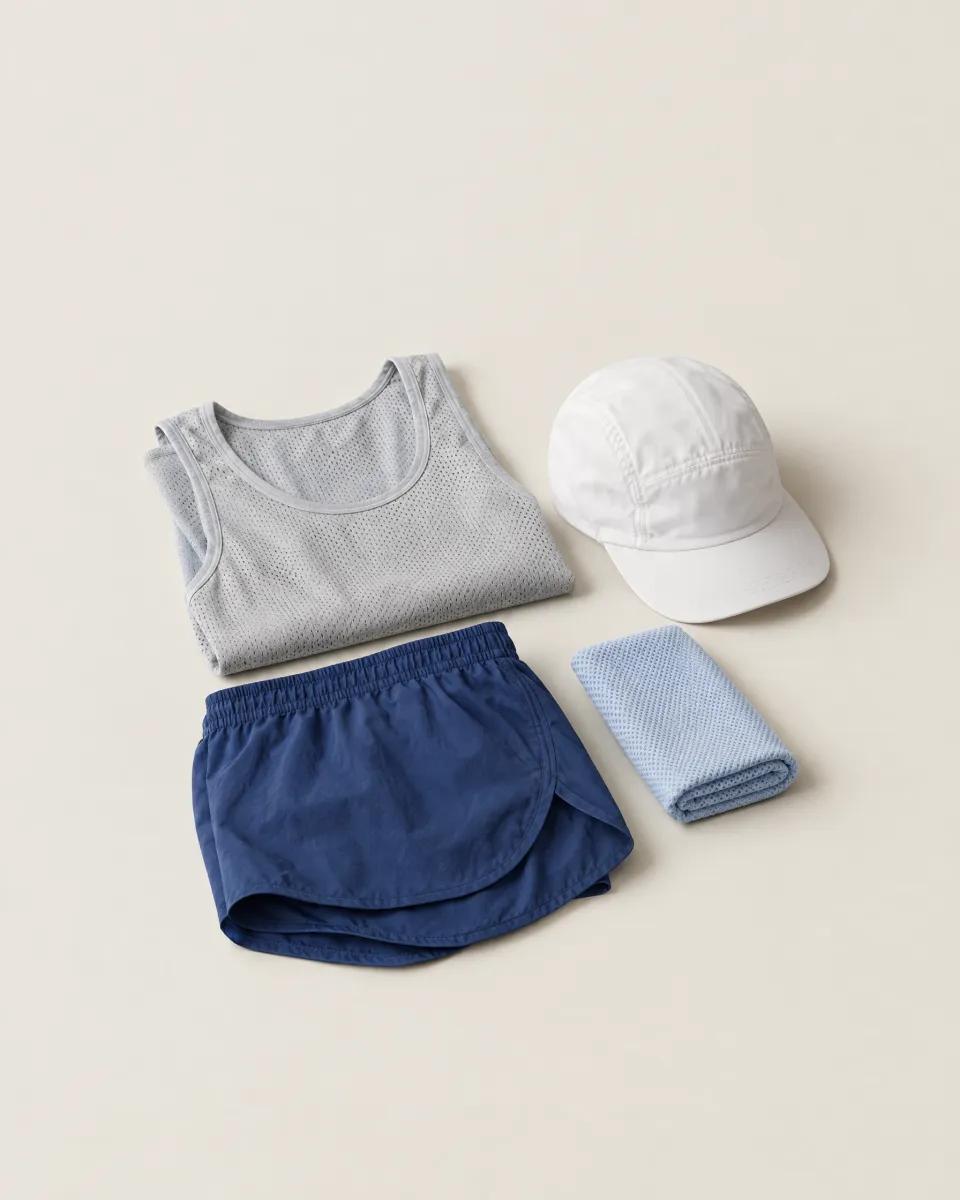
Less fabric, more air, and something white on your head.
  • Mesh singlet and split shorts
  • A light cap you can soak at a fountain
  • A small towel: many Japanese runners carry a tenugui
  • Sweat-proof sunscreen for the 5:00 sun
Heat days

Heat days

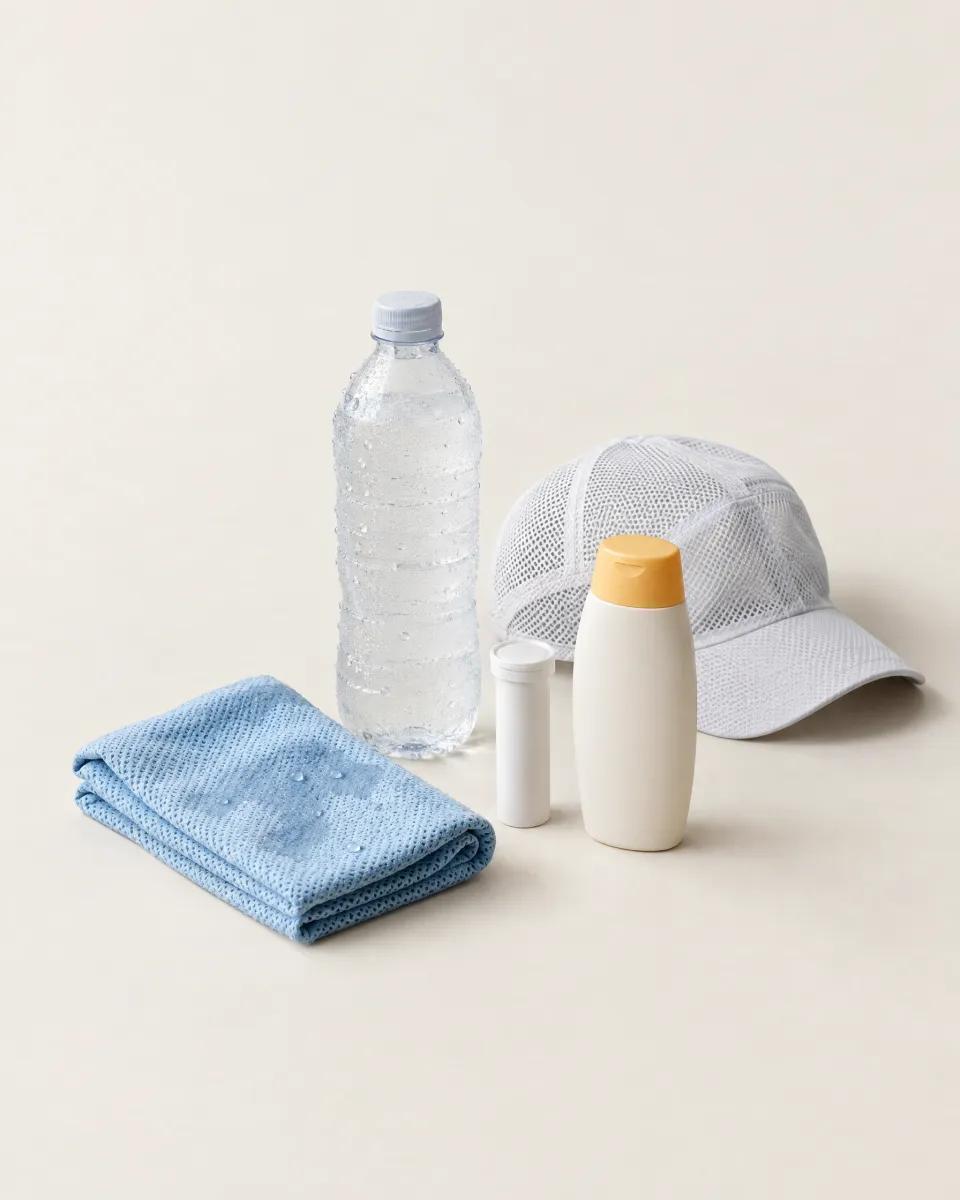
For the weeks when the heat index decides your run.
  • A bottle frozen overnight: cold water for the first half
  • A cooling towel round the neck
  • Electrolyte tablets or a salty snack
  • Check the heat index (WBGT) before you leave
Rainy season

Rainy season

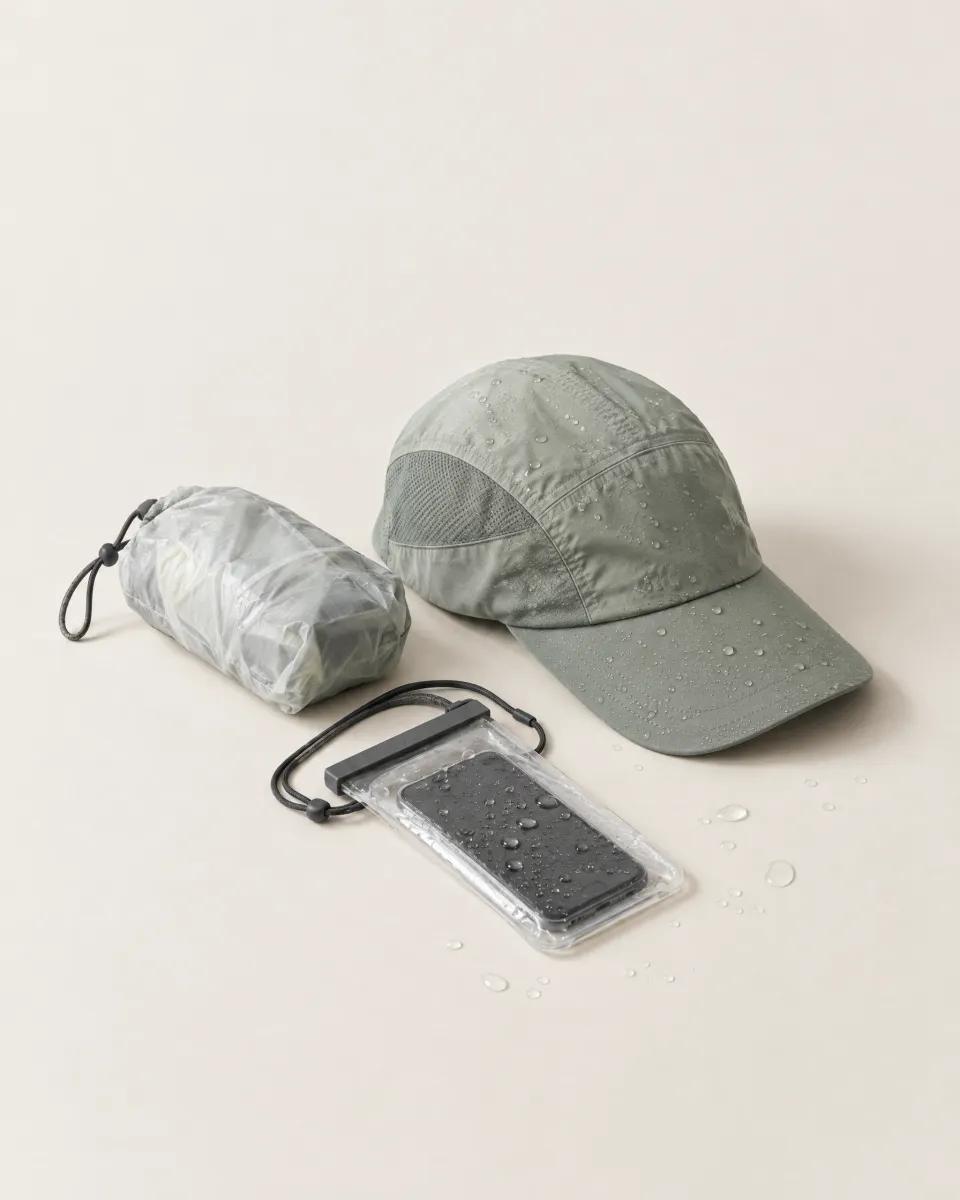
Warm rain needs a brim, not a coat.

  • A packable shell for the cool end of June
  • A brimmed cap to keep rain off your eyes
  • A waterproof pouch for your phone and IC card
  • Shoes with grip: wet paint and stone are slick
Winter

Winter

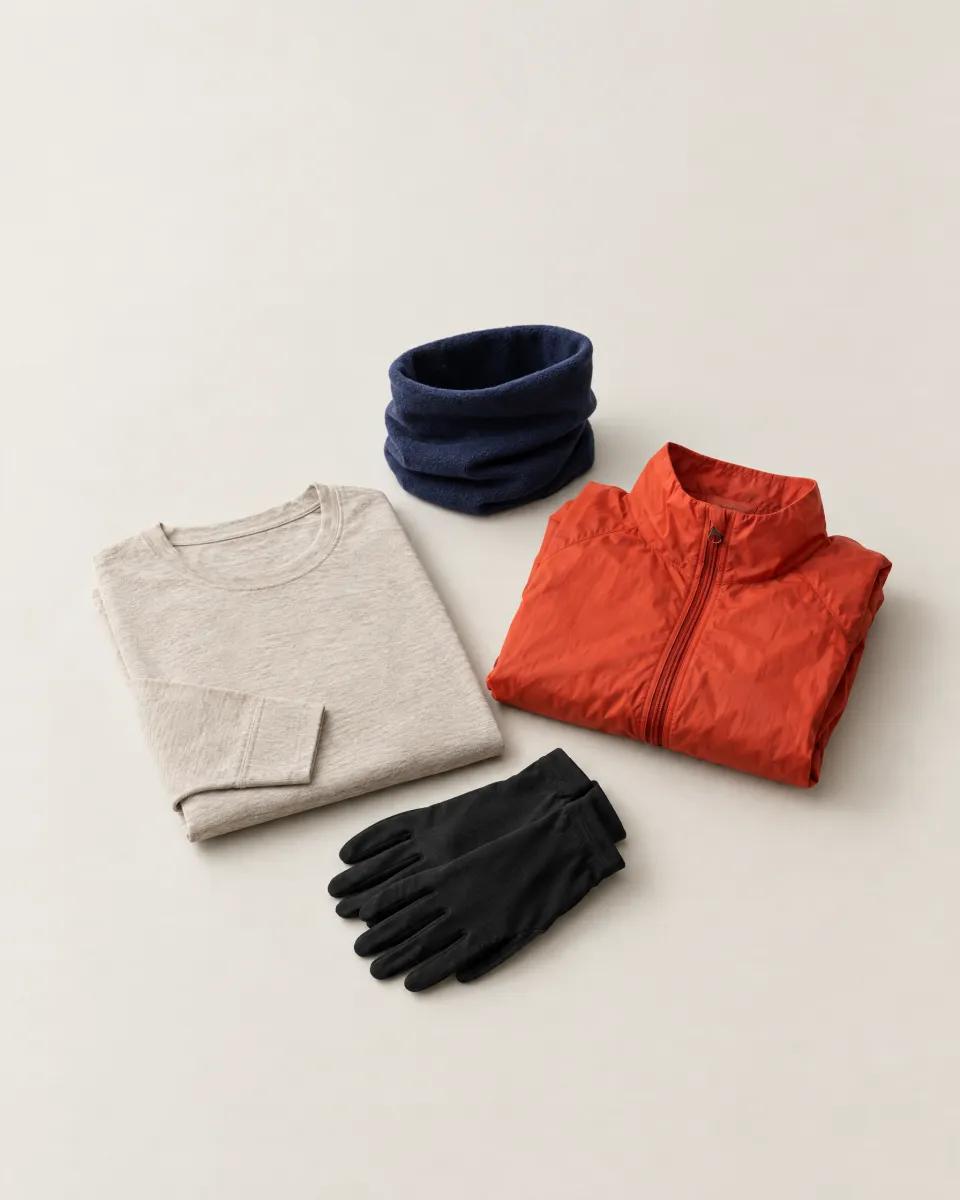
Dry and cold at dawn, warm by ten.

  • A thin merino long-sleeve
  • Light gloves and a neck gaiter
  • A wind shell for the river paths
  • Layers you can tie round your waist
After dark

After dark

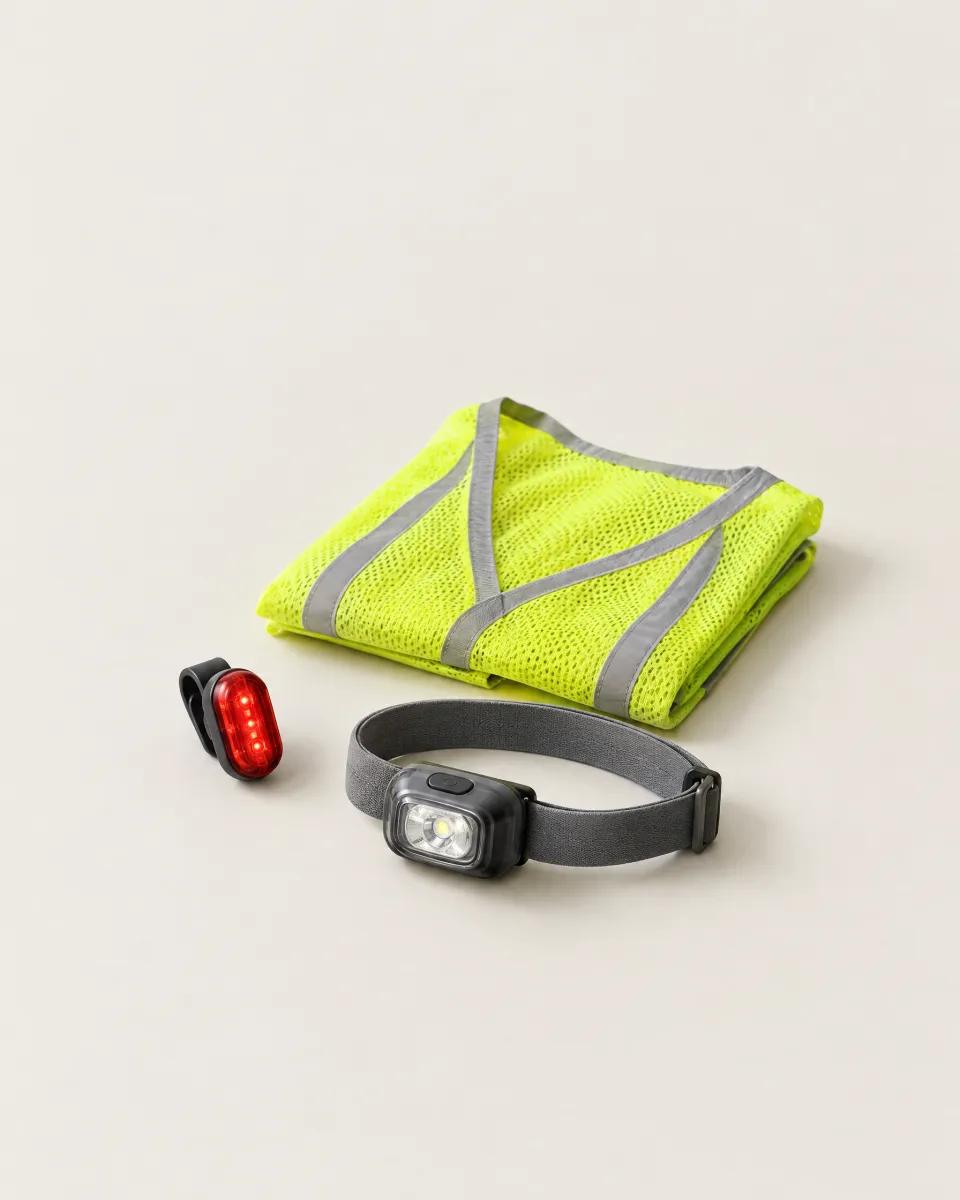
Tokyo is safe at night; the cyclists cannot always see you.
  • A clip-on red light on your back
  • A reflective vest for the river paths
  • A headlamp for unlit riverbanks and parks
Race day

Race day

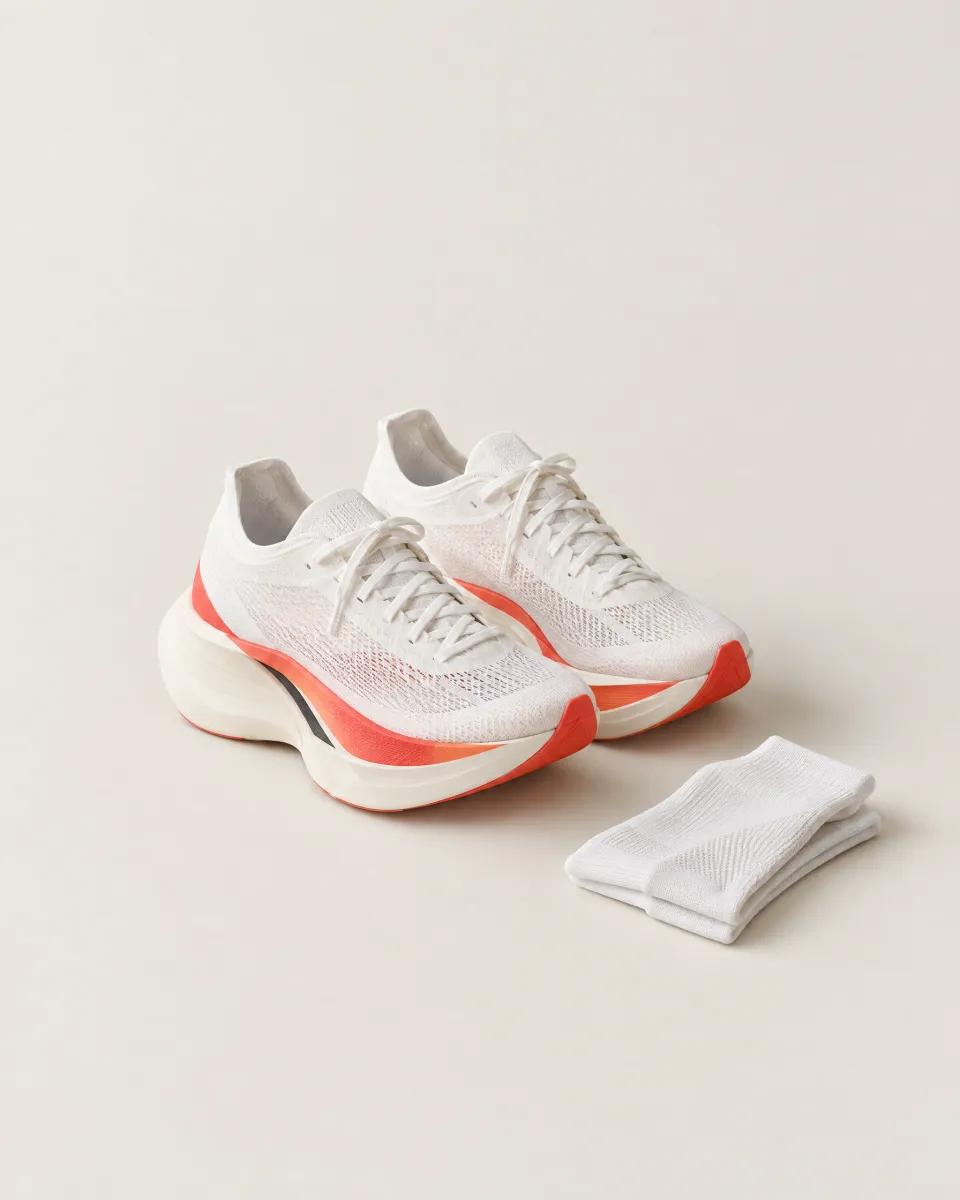
Nothing new on race day. Everything here has been on a long run.
  • Your race shoes, broken in over two or three long runs
  • Thin socks you have raced in before
  • Gels you have trained with
  • A throwaway layer for the start pen
Fuel

Fuel

Practise eating on the run, the same way you practise running.
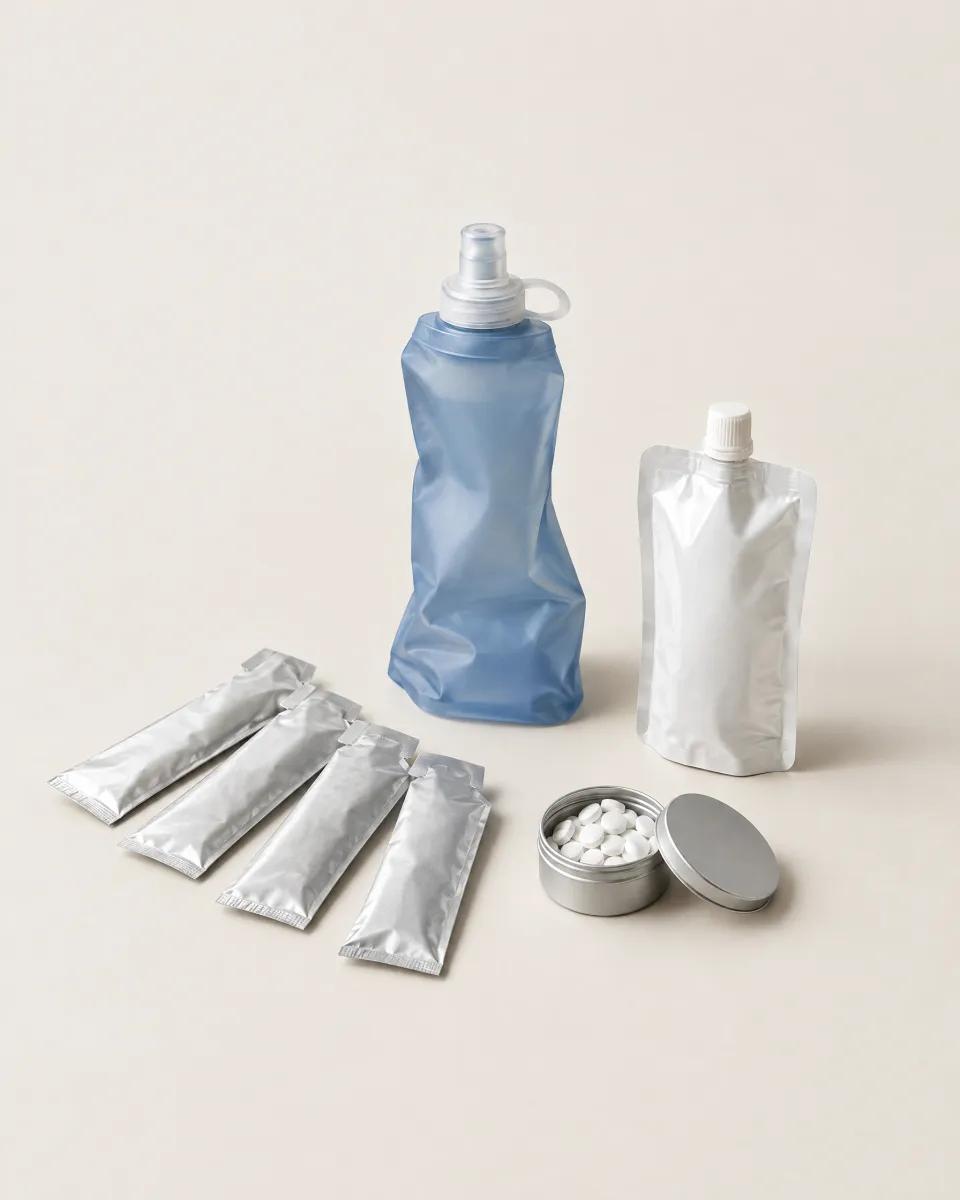
  • Gels or jelly pouches every 30 to 45 minutes on long runs
  • A soft flask that packs flat
  • Salt in summer, even on shorter runs
Trails

Trails

For Takao, Okutama and beyond.

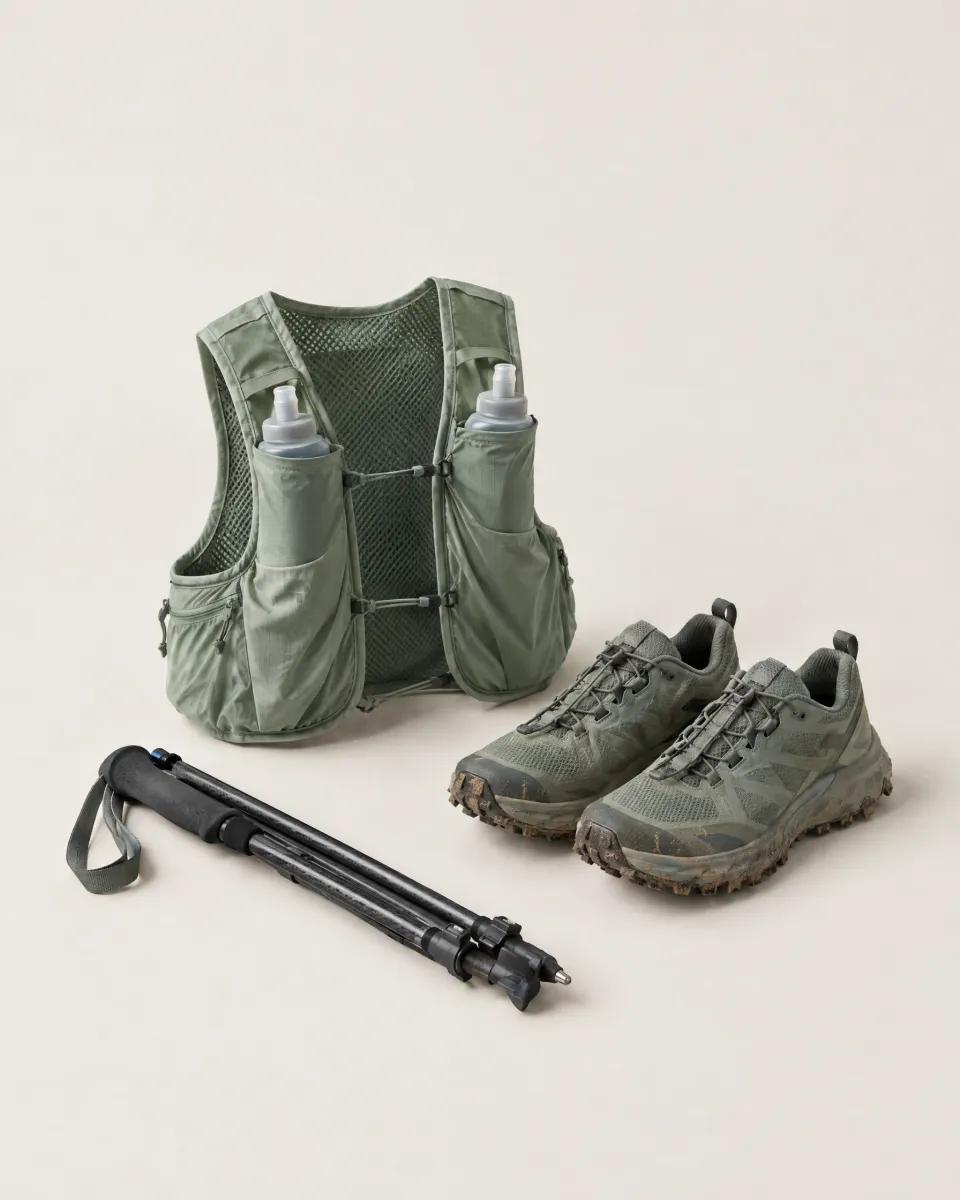
  • A vest with soft flasks
  • Shoes with lugs for roots and mud
  • A bear bell for the quiet trails
  • A charged phone and a paper map
Daily shoes

Daily shoes

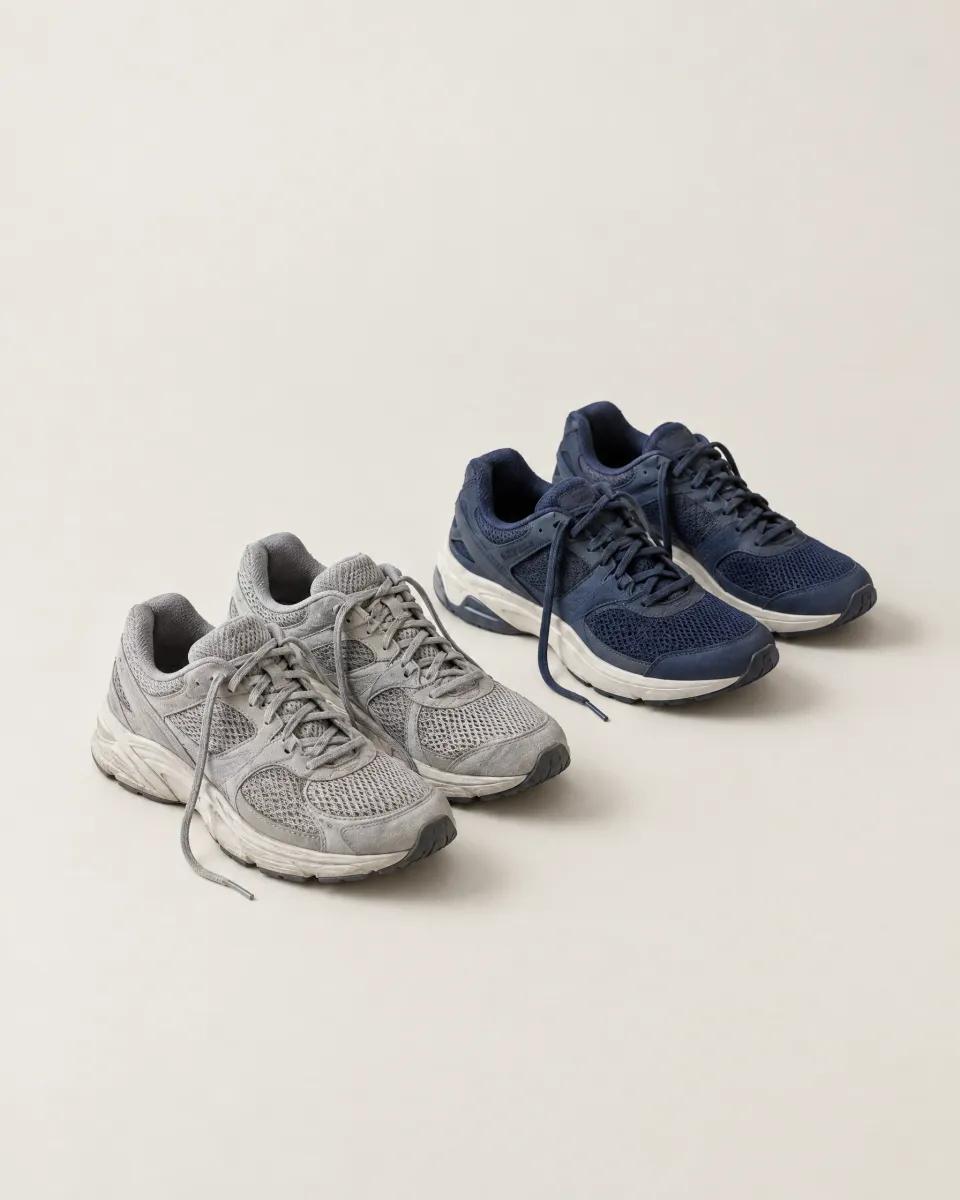
Two pairs in rotation beat one pair worn out.
  • A cushioned trainer for easy and long runs
  • A second pair with a different feel
  • Retire them when the foam feels flat, not when the upper tears
Always carry

Always carry

Small things that save a run.

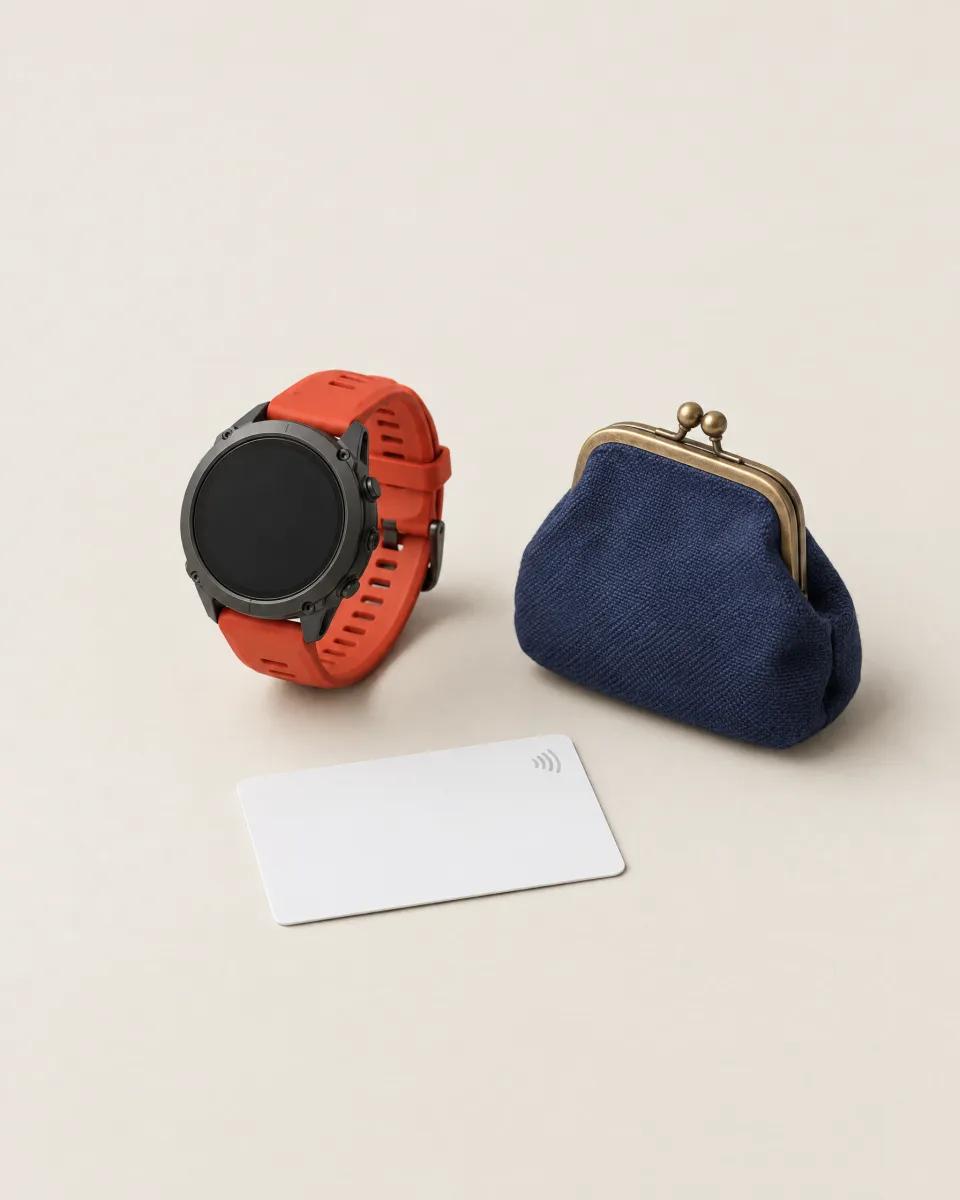
  • An IC card (Suica or PASMO): the train home, and drinks from most station vending machines
  • Some coins for older machines and lockers
  • Your ID: foreign residents aged 16 and over must carry their residence card
After the run

After the run

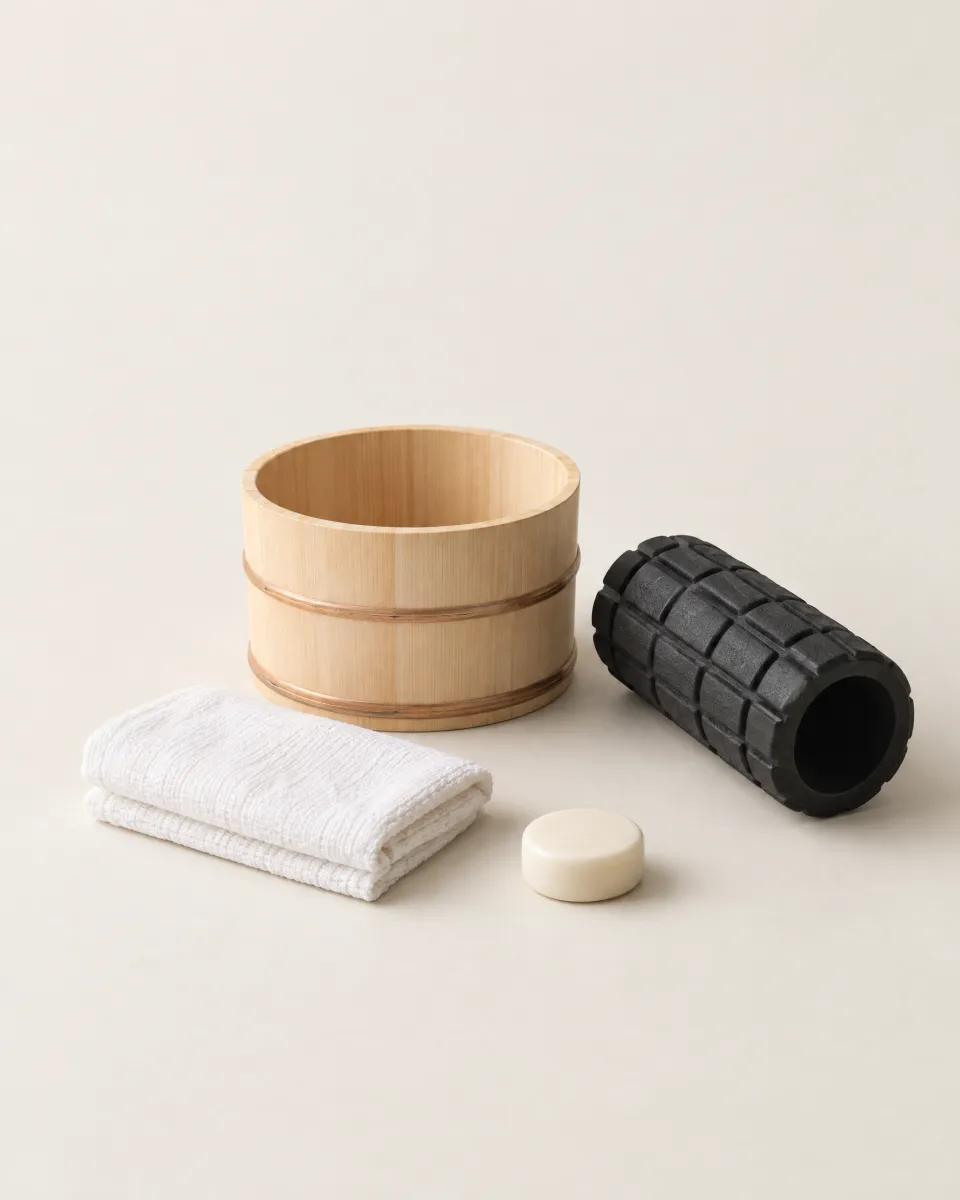
The long run ends at the bath, not at the watch.
  • A small towel and soap for the sento
  • A foam roller for calves and quads
  • Something salty and a rice ball within the hour
Tabi

Tabi

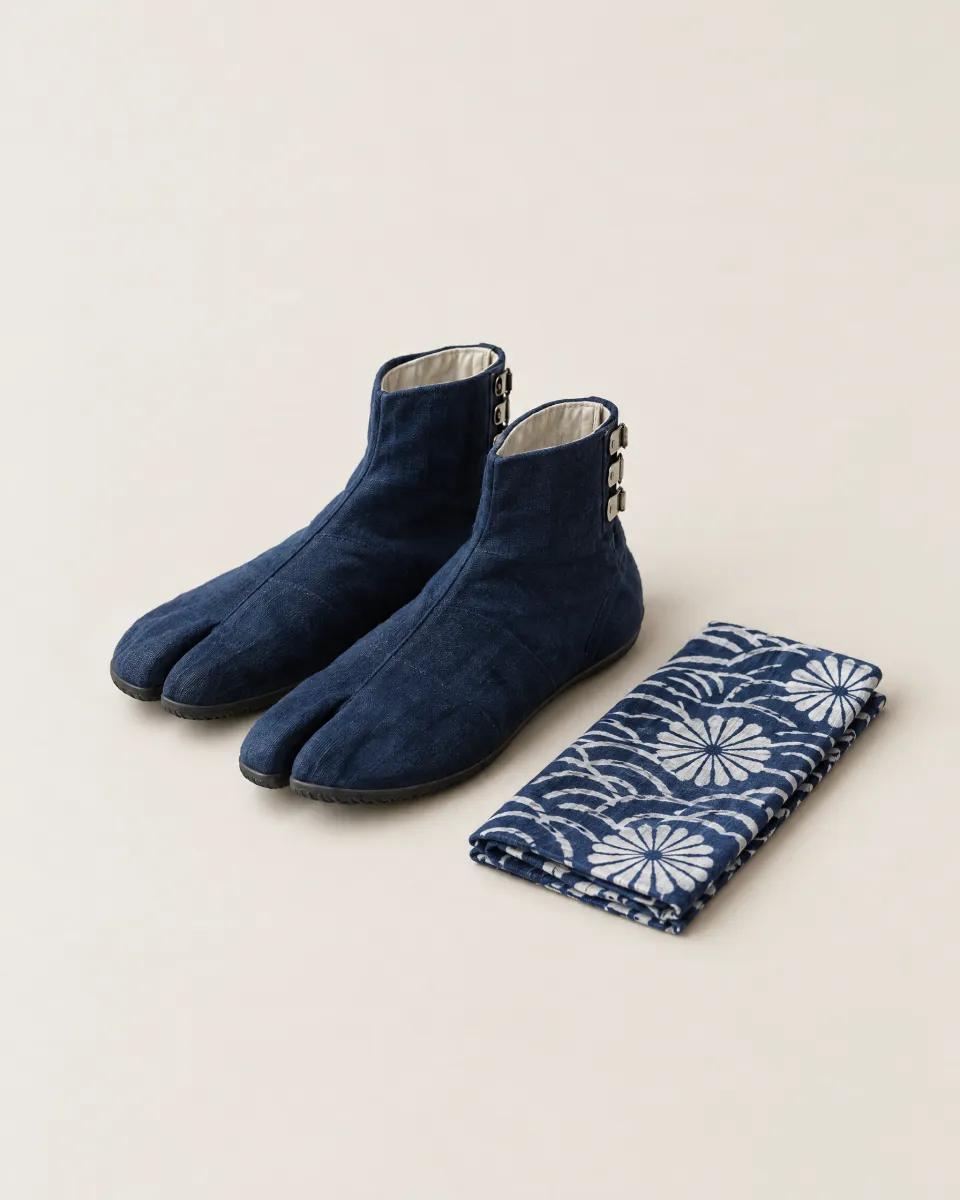
Split-toe running tabi: the thin-soled shoes some Japanese runners swear by.

  • Very little cushioning: build up slowly
  • A tenugui, the cotton towel many Japanese runners wear round the neck

A plan that knows what today is for

Tell it how much you run, how many days you have and which race you are aiming at. Every day it gives you one thing to do, and it adapts when life gets in the way: a lighter week when you are tired, short runs when you travel, walk-run when something hurts. It stays on this device. No account.

Keep Run Tokyo running

This site costs me time and money to keep current and hosted. I update it every day with new addresses and races. A coffee goes a long way.